
Context over chat
A generic assistant answers from nothing and produces generic text. An agent grounded in the patient's images, history, severity scores, and prior reports produces clinically meaningful work.
Agentic clinical AI for dermatology
From clinical photo to a cited report. Each patient is a project; the agent analyses the image with the Legit.Health+ engine, drafts the documentation, and keeps every finding traceable to its source. You watch every step in the open, never a black box.
// the shift
In a few short years, agentic workspaces gave developers an AI that reads the whole project and does the work. AgenticDerm brings that shift to the clinic, starting with dermatology, where the image is the evidence and every patient is a project.
The idea
Preventive medicine reorganised care around anticipation. Personalised medicine reorganised it around the individual. Context Medicine reorganises agentic clinical support around the one thing that makes AI useful in the clinic: a deliberately engineered, continuously growing context of the patient and the disease.
A generic assistant answers from nothing and produces generic text. An agent grounded in the patient's images, history, severity scores, and prior reports produces clinically meaningful work.
Analyse an image, the analysis becomes a source. Draft a report, the report joins the record. The patient workspace gets richer with every interaction, so the next one is better.
Borrowed from context engineering in software: what the agent knows is curated on purpose, from clinical sources to your clinic's own conventions, templates, and people.
// explainability
The agent is a terminal on purpose. Every source it reads, every tool and Legit.Health+ call it makes, every file it writes, and the exact token cost of the run, all of it streams in front of you, in the open. A general chatbot hides its work; in medicine that is the wrong default, because a clinician has to be able to check the basis of a result, not just receive it.
The engine
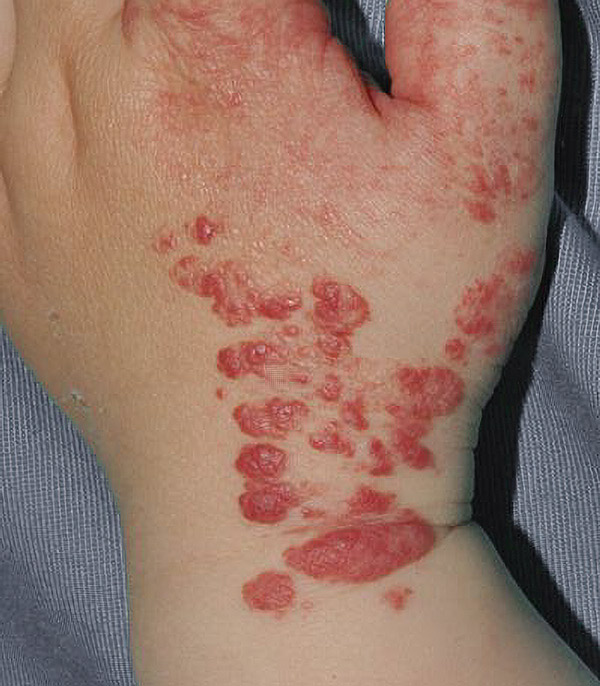
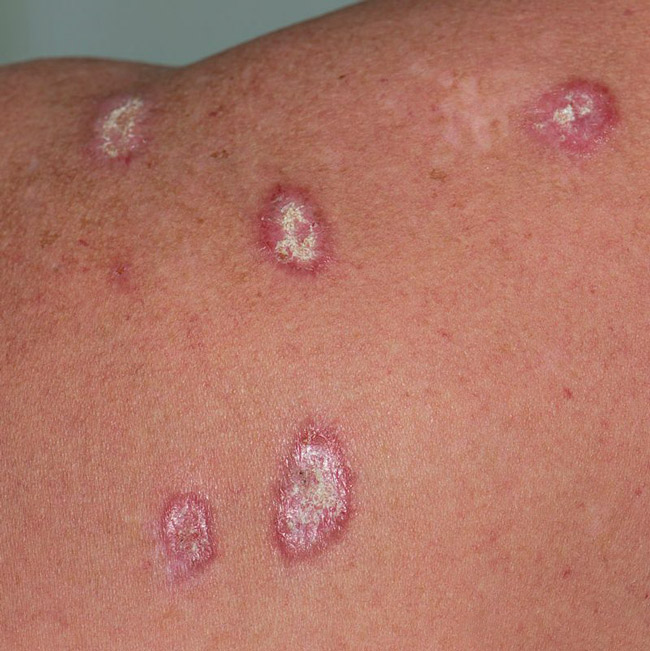
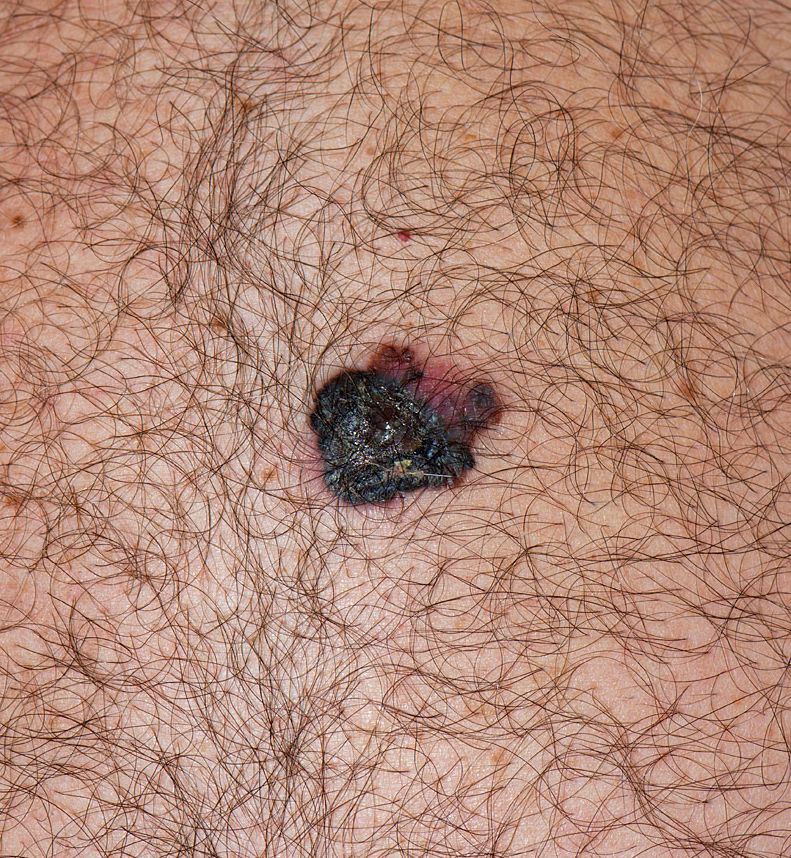
Every clinical photograph connects to the Legit.Health+ engine, which returns a ranked differential diagnosis across the whole spectrum of dermatology, not only the small fraction that is cancer. Severity is a separate measure, shown next.
Severity and explainability
The Legit.Health+ engine measures how active the disease is and marks every lesion it counted, so the score is not a black box: you can see exactly what it measured, then confirm it against the photo.
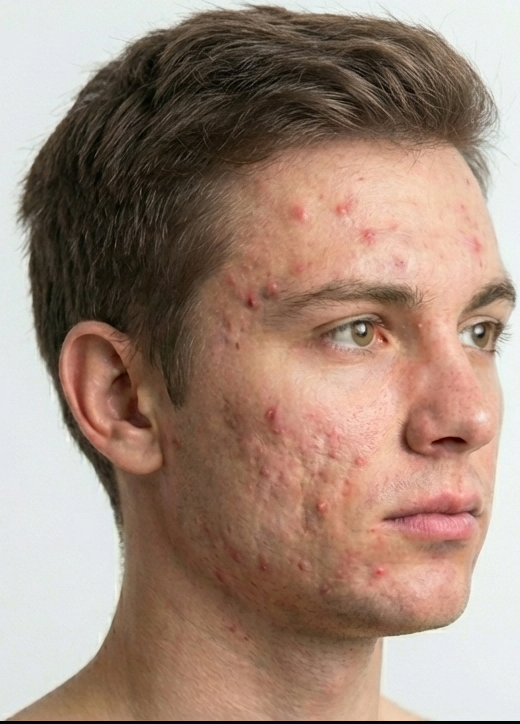
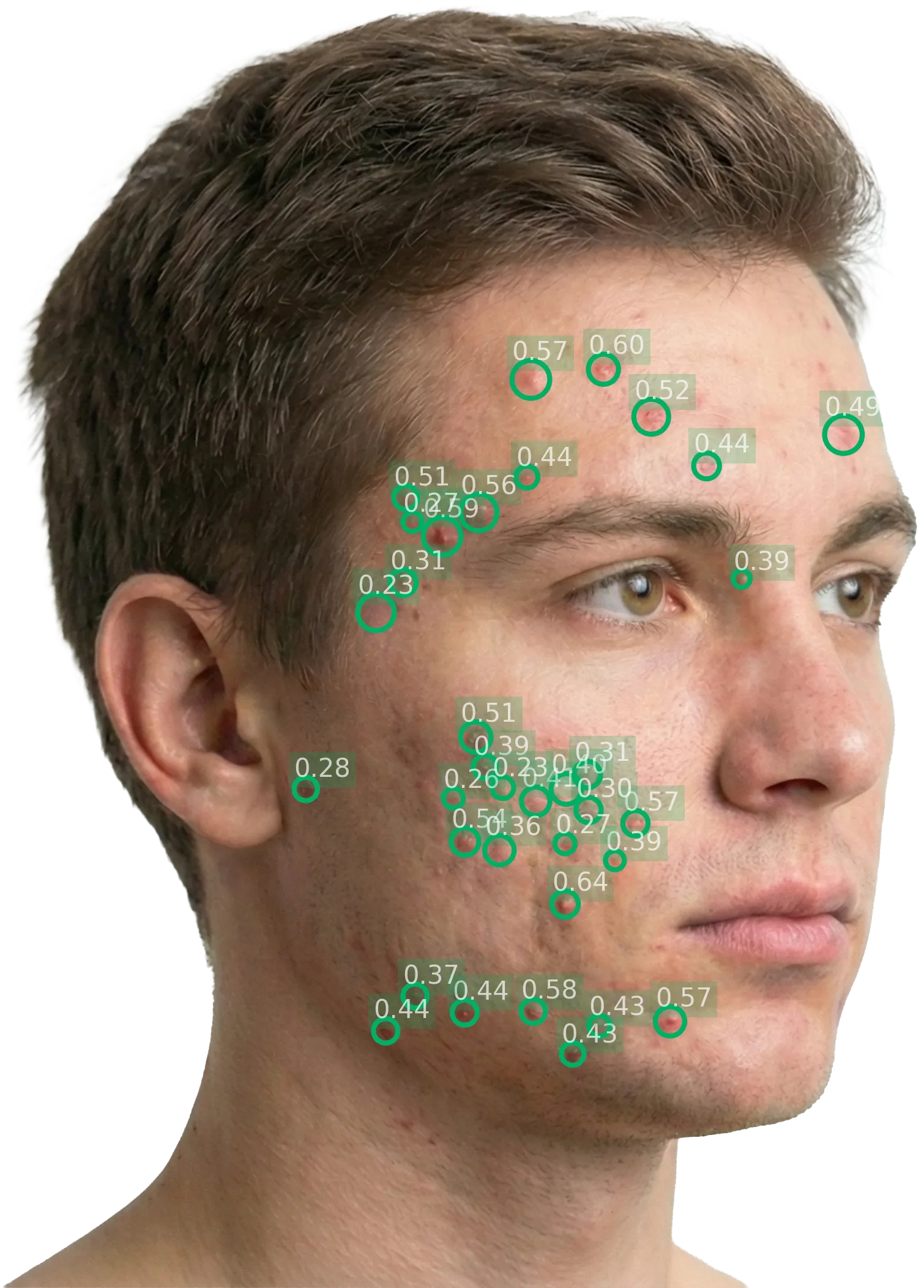
Measured by the Legit.Health+ engine. Drag to compare against the photo.
Cited evidence
Ask a clinical question and get an answer backed by dermatology guidelines and journals you can open and verify, framed by this patient's own images, scores, and history. Not a generic chatbot.
 [1]
[1] [2]
[2] [3]
[3]Each answer lands as a versioned, attributable source in the patient's record.
Trust and portability
Because the patient workspace is a real file tree, AgenticDerm tracks it the way software is tracked. The record is auditable by construction, and it is never locked in.
Every source, analysis, note, and report is a tracked file. Every change is attributable and reversible, with an audit-grade history of who added what, when, and on which evidence. A visit reads like a branch of work on the record, exactly what clinical audit and quality systems demand.
Export a branded PDF for people, JSON or XML for machines, and a FHIR bundle for hospital and EHR systems. The Legit.Health+ engine measures; the agent quotes those measurements and cites their source, it does not diagnose. Context only helps if it can travel.
Your clinic's memory
Beyond each patient, your organisation has its own context: skills, agents, and memories shared across the whole team.
How artefacts get made: PDF branding, report structure, letter formats, terminology. A report from AgenticDerm looks like it came from your clinic, because it did.
Specialist behaviours ready to invoke: the report writer, the image analyst, the referral drafter. Consistent across every doctor in the organisation.
Standing facts: who is who, who signs what, languages of practice, preferred phrasings. Captured once, in a guided onboarding, applied everywhere.
Beta access is open. Create your workspace, add your first patient, and export a cited report today. Free during the beta.
Start free →Prefer to talk first? Talk to us.